

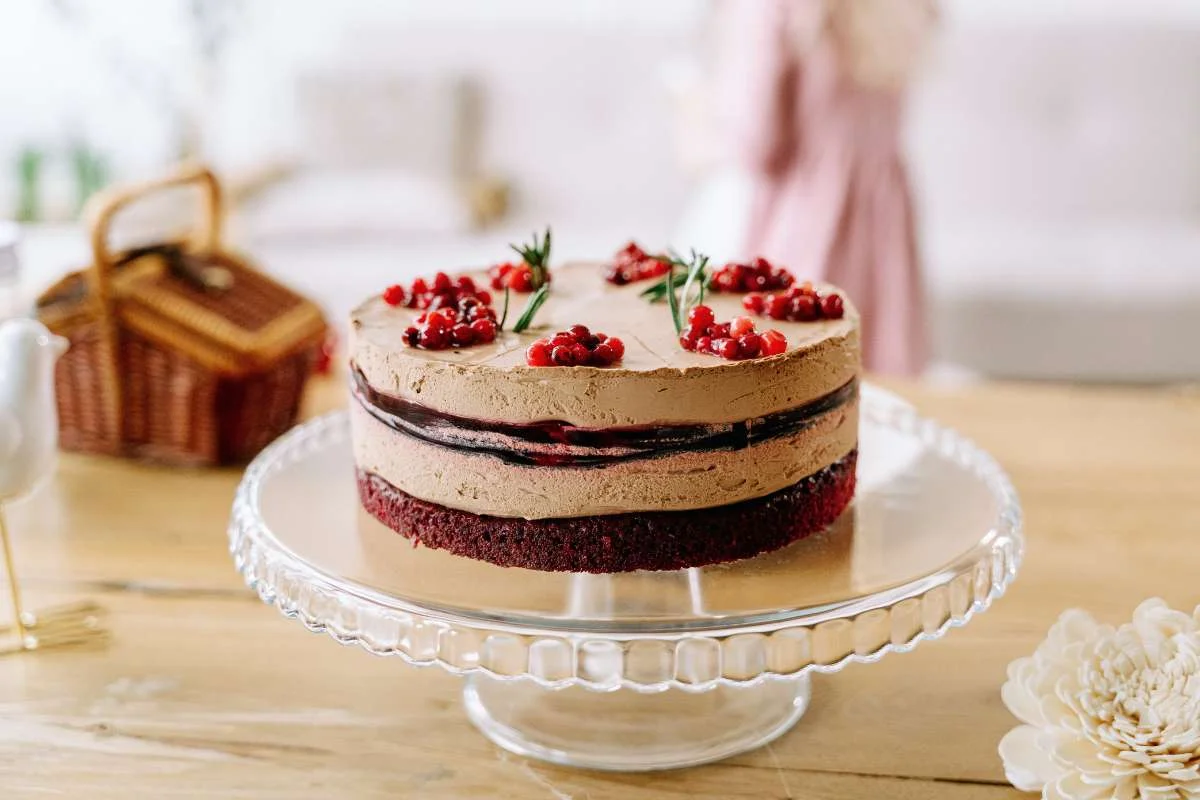
The baking industry is undergoing a massive transformation as consumer preferences shift between two seemingly opposite desires. On one hand, there is a strong demand for higher nutritional density, functional ingredients, and gut-health support. On the other hand, a craving for hyper-indulgence and memorable sensory experiences continues to thrive. Today, bakers are bridging this gap with incredible creativity, utilizing advanced techniques, cross-cultural flavors, and unique textures to redefine what comes out of the oven.
Whether you operate an artisanal bakeshop or simply love tracking the evolution of food, these five major bakery trends are defining the modern culinary landscape.
1. Texture Mashups and Multi-Sensorial Fusions
Mouthfeel has become the new language of premium baking. Delivering a product that is simply sweet or flavorful is no longer enough to stand out. Today, consumers want a complete tactile experience when they take a bite. This desire has fueled the rise of hyper-contrasting texture fusions, where opposing elements coexist beautifully within a single pastry.
The most successful items in this category offer what pastry chefs call a textural journey. This typically involves a shattered, ultra-crispy exterior followed immediately by a soft, gooey, or intensely creamy interior. Think of flat, caramelized croissants, oversized layered puff pastries, and new evolutions of laminated doughs that maximize surface area for ultimate crunch.
Bakers are achieving these results through meticulous temperature control, extended lamination processes, and innovative toppings like crunchy pralines, cookie crumbles, or dehydrated fruit glass. The social media landscape further amplifies this trend, as the auditory crunch of a perfectly baked pastry creates instant visual and sensory appeal.
2. Functional Indulgence and Gut Health Integration
Wellness is no longer about restriction or eating bland foods. Instead, it has shifted toward a mindset of balance, where consumers expect their treats to work harder for their bodies. This evolution has given rise to functional indulgence, a category where health-boosting benefits and rich pastry traditions coexist.
At the center of this movement is a massive focus on digestive health. Sourdough is experiencing a major renaissance, expanding far beyond rustic dinner loaves into the sweet and pastry categories. Naturally fermented brioche, sourdough croissants, and sourdough danishes are highly sought after because natural fermentation makes these items easier to digest while imparting a sophisticated, subtle tang.
In addition to fermentation, bakers are incorporating the following functional elements into their daily production:
-
Alternative and Ancient Grains: Utilizing renewable, nutrient-dense grains such as amaranth, sorghum, buckwheat, and millet to provide distinct nutty flavors while elevating the fiber content.
-
Protein and Fiber Fortification: Integrating legume flours, flaxseed fiber, and upcycled brewers grains to satisfy consumers looking for sustained energy without the traditional sugar crash.
-
Ayurvedic and Botanical Additions: Infusing doughs and glazes with functional herbs, ashwagandha, or turmeric to lean into ancestral wellness wisdom.
By utilizing these clean-label formulations, bakeries can attract health-conscious consumers without sacrificing the core joy of eating a pastry.
3. Cross-Cultural and Globally Infused Flavor Profiles
As international travel and digital connectivity continue to expose consumers to global food traditions, bakery cases are becoming wonderfully multilingual. Niche, regional ingredients are crossing cultural boundaries to become mainstream components in Western pastry and viennoiserie.
Leading this movement is the widespread adoption of black sesame. Long celebrated in Asian dessert traditions, black sesame is dominating pastry menus due to its striking, moody visual appeal and its unique sensory profile. It offers a distinct earthy, nutty, and slightly bitter richness that serves as an excellent foil to high-sugar glazes and rich butter doughs. From black sesame frangipane inside golden croissants to black sesame chiffon cakes, this ingredient satisfies the modern craving for sophisticated, less-sweet desserts.
Matcha is also evolving from a standalone flavor into a versatile pairing partner. Instead of basic matcha cakes, bakers are combining the earthy tea with unexpected elements like strawberry, coconut, white chocolate, or even savory white miso. Furthermore, South Asian flavors are gathering immense force across the industry. Traditional bakes are being infused with rosewater, green cardamom, saffron, and sweet elements inspired by regional heritage desserts, offering consumers a sense of culinary discovery.
4. The Evolution of Savory-Sour and Sweet-Heat Pastries
The days of monolithic sweetness dominating the bakery aisle are officially over. Palates are becoming much more adventurous, leading to a surge in complex flavor profiles that blend sweet, spicy, savory, and sour elements into a single bite.
The well-known sweet-plus-spicy flavor profile has matured into a sophisticated exploration of sour-plus-spicy and savory-sour combinations. Citrus fruits from around the globe are taking center stage because their sharp notes can cut through the heavy richness of traditional butter pastries, making each bite feel refreshing rather than cloying.
Some of the most prominent combinations appearing in modern bakeries include:
-
Aromatic Citrus Glazes: Utilizing bitter, aromatic fruits like makrut lime, bergamot, and yuzu to elevate basic sugar glazes.
-
Savory-Sour Biscuits and Crackers: Incorporating Asian citrus varieties into savory items, such as yuzu-miso focaccia or sudachi and black pepper shortbread.
-
Swicy and Sour-Spicy Turnovers: Pairing the intense sourness of calamansi or passion fruit with the warmth of fresh ginger, habanero, or cayenne pepper to create a comforting, warming sensation.
These intricate flavor balances cater beautifully to an audience that values nuance over intense, sugary profiles.
5. Shrink and Sharpen: The Rise of Premium Micro-Portions
Economic mindfulness combined with a desire for portion control has sparked a major shift in how baked goods are sized and presented. Consumers are increasingly embracing a preference for less, but better. Instead of purchasing large, heavy slices of cake or oversized pastries, the focus has turned to meticulously crafted micro-portions.
This mini-format revolution allows consumers to practice mindful consumption while still enjoying undisputed luxury. A single, intensely flavored, miniature pastry can provide deep emotional satisfaction without the associated physical heaviness or guilt. This trend manifests as elegant dessert sampler boxes, bite-sized tartlets, mini artisan loaves, and highly stylized cake pops made with premium ingredients like grass-fed butter and organic flours.
For bakery owners, this layout offers an excellent design principle. Smaller formats allow for creative experimentation with rare, high-cost ingredients like real vanilla bean, premium pistachios, or exotic fruits, since the quantity needed per portion is low. It also encourages impulse purchases, as customers are far more likely to try two or three distinct micro-treats than commit to a single large item.
Frequently Asked Questions
What exact techniques do bakers use to ensure a pastry achieves a hyper-contrasting texture?
Bakers achieve intense textural contrast primarily through advanced lamination techniques and moisture management. By precisely controlling the temperature of both the dough and the butter during the folding process, they create hundreds of microscopic, individual layers. When baked, the moisture in the butter vaporizes, pushing the layers apart to create a shatteringly crisp exterior, while the core remains soft and tender. Some bakers also utilize sugar-sprinkling techniques on the outer layers to form a caramelized shell that acts as a moisture barrier, preserving the interior softness.
Why is sourdough considered more digestible than standard commercially leavened breads?
Sourdough relies on a wild fermentation process driven by lactic acid bacteria and natural yeasts. During this extended fermentation period, which often lasts anywhere from twelve to forty-eight hours, the bacteria break down a significant portion of the gluten proteins and complex starches present in the flour. This pre-digestion process renders the final baked good much gentler on the human digestive tract, allowing individuals who typically experience mild discomfort from standard white flour to enjoy bread more comfortably.
How are bakeries successfully replacing traditional white flour with ancient grains without ruining the dough structure?
Ancient grains like millet, buckwheat, and sorghum either lack gluten entirely or possess a weak gluten structure compared to modern hard wheat flours. To maintain the necessary volume and structural integrity of breads and pastries, bakers use a blending strategy. They typically replace twenty to forty percent of the standard flour with ancient grains. This allows them to introduce the complex flavors, micronutrients, and fiber of the ancient grains while relying on the remaining base flour to provide the essential gluten framework needed to trap gasses and rise properly.
What is driving the sudden commercial popularity of black sesame in Western baking?
The rise of black sesame is driven by a combination of aesthetic appeal and flavor fatigue. Visually, the stark charcoal-black hue provides a dramatic contrast to traditional golden pastries, making it highly shareable on visual social media platforms. From a flavor perspective, modern consumers are actively seeking lower-sugar options. Black sesame provides an intense, roasted, savory nuttiness that balances out sweet components like white chocolate, meringue, or buttercream, satisfying a desire for more mature dessert options.
How does the shift toward micro-portions affect the shelf life and storage of bakery items?
Smaller baked goods have a higher surface-area-to-volume ratio, which means they lose moisture and dry out much faster than larger loaves or standard-sized cakes. To counteract this, bakeries utilizing the micro-portion trend must adjust their production schedules toward smaller, more frequent bakes throughout the day. They also utilize protective glazing techniques, such as applying fruit-based napages or thin sugar syrup coatings, to seal in moisture and extend the freshness window of these delicate treats.
What are upcycled ingredients and how do they fit into modern sustainable baking?
Upcycled ingredients are high-quality, nutrient-rich materials that would otherwise go to waste during food production. In baking, a prime example is spent brewers grain, which is left over after the beer-brewing process. Instead of being discarded, this grain is dried and milled into a flour that is incredibly rich in fiber and protein. Utilizing these ingredients allows bakeries to improve the nutritional profile of their products while directly reducing food waste and supporting a more sustainable food supply chain.