

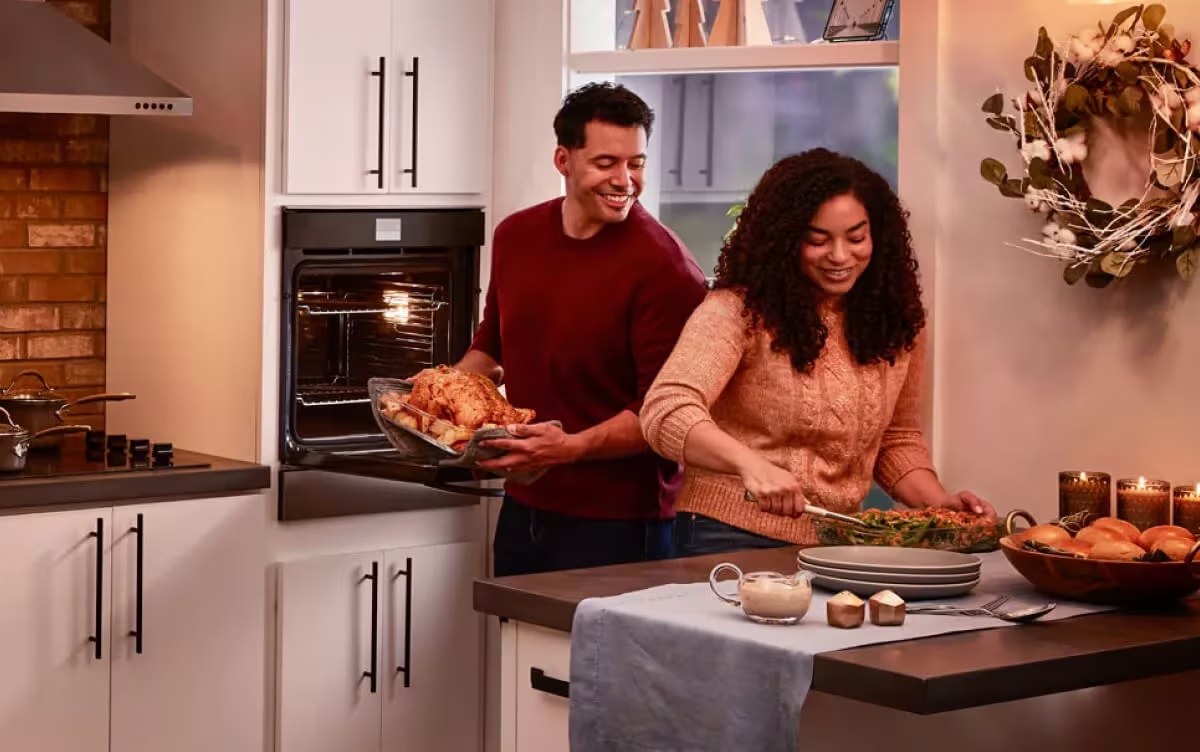
Cooking is both a science and an art, a process that involves skill, intuition, and a dash of creativity. Whether you are an aspiring home cook or an experienced chef, there are always ways to enhance your cooking techniques and elevate your meals. The kitchen is a place where the ordinary can become extraordinary with the right knowledge and tools. A few carefully chosen tips can dramatically improve your dishes, transforming a simple meal into a flavorful, memorable experience. From basic preparations to advanced techniques, here are some essential cooking tips that will refine your skills, save you time, and ensure delicious results every time.
1. Invest in Quality Kitchen Tools
A well-equipped kitchen is the foundation of great cooking. While it’s tempting to splurge on gadgets, the essentials should be your first priority. Start with a good set of knives—sharp, well-balanced knives will make chopping, slicing, and dicing far easier and safer. A chef’s knife, paring knife, and serrated knife are the basic tools that should be in every kitchen.
In addition to knives, investing in quality cookware is essential. A heavy-duty, non-stick skillet, a sturdy saucepan, and a high-quality chef’s pan will give you the versatility needed for a range of dishes. Don’t forget about baking sheets, mixing bowls, and measuring spoons, as these simple tools are indispensable when preparing any recipe.
2. Mise en Place: The Key to a Smooth Cooking Experience
One of the most valuable tips any cook can adopt is the practice of mise en place, a French term meaning “everything in its place.” This involves preparing and organizing your ingredients before you start cooking, which greatly enhances the efficiency and success of the process. By measuring, chopping, and arranging everything ahead of time, you reduce the risk of making mistakes and avoid the frantic scrambling for ingredients midway through a recipe.
By implementing mise en place, you ensure that your ingredients are prepared at the right moment and in the right amounts. This also allows you to focus entirely on the cooking process rather than worrying about whether you have enough spices or have forgotten to add a key ingredient.
3. Seasoning Is an Art—And a Science
One of the most crucial aspects of cooking is seasoning, yet it is often overlooked or underappreciated. Salt, in particular, is a flavor enhancer that can transform a dish from good to great. However, it’s important to add salt at the right time during the cooking process. Seasoning in layers—adding salt and pepper to the food at different stages—ensures that the flavors develop and build over time. For example, salting your meat before searing it brings out its natural juices, while adding a pinch of salt at the end of cooking can brighten the final flavor of the dish.
Similarly, don’t shy away from other seasonings. Fresh herbs, citrus zest, and spices like cumin, coriander, and paprika can add depth and complexity to your dishes. Taste as you go—adjusting the seasoning gradually to achieve balance and harmony in every bite. Remember, seasoning is about enhancing, not overpowering, the natural flavors of your ingredients.
4. Understand the Power of Heat
Cooking with the right amount of heat is crucial to achieving perfect results. Different ingredients and cooking techniques require different temperatures. For example, when searing meat, high heat is necessary to form a flavorful crust, while low heat is ideal for slow-cooking stews, which allows flavors to meld and develop over time.
One essential tip is to avoid overcrowding the pan. If you try to cook too many items at once, the temperature of the pan drops, causing the food to steam rather than sear. Whether you’re sautéing vegetables, frying fish, or browning meat, always give your ingredients enough space in the pan to cook evenly. If necessary, work in batches to ensure that each item receives the proper attention and heat.
Another tip is to preheat your pan before cooking, especially when working with cast iron or stainless steel. A hot pan allows the food to cook more evenly and reduces sticking. For certain dishes like pancakes or eggs, make sure the pan is at the right temperature before placing your ingredients in it—too hot and they may burn; too cold and they will stick.
5. Don’t Overcook Your Vegetables
Vegetables are one of the easiest components of a meal to overcook, especially when they’re steamed or boiled. Overcooking not only diminishes the nutritional value of the vegetables but also leads to a loss of vibrant color and flavor. To preserve the texture and taste, try blanching vegetables by briefly submerging them in boiling water, then transferring them to ice-cold water. This technique helps retain their crispness and vibrant colors while cooking them just enough to enhance their natural sweetness.
If you’re sautéing or roasting vegetables, use high heat for a quick, flavorful cook. This caramelizes the natural sugars in the vegetables, producing a depth of flavor that is often lost with slower cooking methods. A little bit of olive oil, garlic, and fresh herbs can go a long way in creating an irresistible side dish.
6. Rest Meat Before Cutting
When preparing meats, one of the most overlooked tips is to allow it to rest before slicing. Whether it’s a steak, roast, or chicken, letting the meat rest for several minutes after cooking allows the juices to redistribute throughout the muscle fibers. If you cut into the meat immediately, those juices escape, leaving you with a dry and less flavorful cut.
The resting time varies depending on the size of the meat, but in general, letting it rest for about 5-10 minutes for smaller cuts and up to 20 minutes for larger roasts ensures a juicier, more tender result. For an extra touch, tent the meat loosely with aluminum foil while it rests to keep it warm.
7. Make Use of Leftovers
One of the smartest habits any cook can develop is learning how to make the most of leftovers. Don’t throw away those extra bits of vegetables, meats, or sauces—recycle them into new dishes. Leftover roasted vegetables can be repurposed into soups, stews, or pasta dishes. Chicken can be transformed into a hearty salad or incorporated into a stir-fry. Similarly, leftover rice or grains make the perfect base for fried rice or grain bowls. Using leftovers creatively not only reduces waste but also saves you time and money on future meals.
8. Learn to Balance Flavors
When cooking, it’s important to strike the right balance between the five key flavors—sweet, salty, sour, bitter, and umami. Each flavor plays a specific role in creating depth and complexity. For example, a touch of sugar or honey can balance the acidity in a tomato-based sauce, while a splash of vinegar or lemon juice can lift the richness of a fatty dish. Umami-rich ingredients, such as soy sauce, mushrooms, or Parmesan cheese, can bring a savory richness to a dish that heightens its overall appeal.
Experimenting with flavor combinations allows you to explore new dimensions in your cooking. Try pairing sweet fruits like peaches with salty prosciutto, or combine tangy citrus with rich, earthy beets. By learning to balance these flavors, you’ll be able to create well-rounded, dynamic dishes.
9. Practice Patience and Precision
Great cooking requires both patience and precision. Whether you’re making a delicate soufflé, a slow-braised stew, or a perfect batch of risotto, timing and technique are everything. Follow recipes carefully, especially when trying something new, but also learn to trust your senses. Taste, smell, and observe how your food changes throughout the cooking process.
Remember, cooking is a journey. Every dish you make adds to your understanding of the craft, and every mistake is a lesson that helps you improve. Be patient with yourself as you build your culinary skills, and over time, you’ll develop a deeper understanding of the flavors, textures, and techniques that make cooking such a rewarding endeavor.
Conclusion: Cooking as a Lifelong Skill
Cooking is a lifelong learning experience—one that rewards both patience and passion. Whether you’re cooking for yourself, your family, or a group of friends, the ability to create flavorful, well-executed dishes is a gratifying and empowering skill. By mastering key techniques, being mindful of the details, and embracing a bit of creativity, you’ll find that cooking can become more than just a task; it can be an art form that nurtures both the body and soul. As with all great crafts, the more you practice, the more you discover about what’s possible in the kitchen—and the more enjoyment you’ll find in the simple act of cooking.