

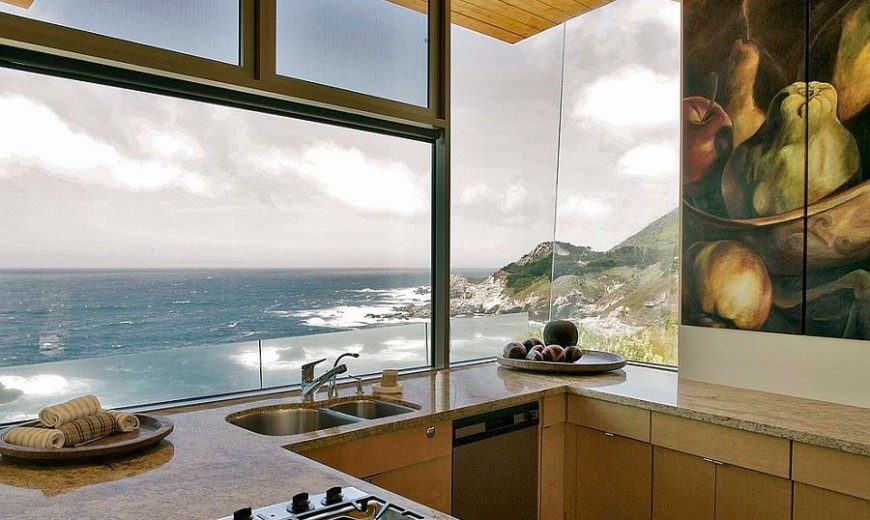
Dining by the sea offers a sensory experience that goes far beyond the food on the plate. In Thailand, where the coastline stretches for miles, the combination of fresh sea air and exceptional culinary skills creates memorable moments for locals and travelers. The concept of modern classic cuisine fits perfectly into this setting, taking traditional recipes and presenting them with contemporary flair. This approach respects the roots of Thai cooking while introducing new textures and presentation styles that appeal to today’s diners.
When visiting the eastern seaboard, particularly the area south of Pattaya, you will find a shift in the dining atmosphere. The frantic energy of the city fades, replaced by a more relaxed, sophisticated vibe. It is here that you might stumble upon a restaurant in Na Jomtien that exemplifies this blend of old and new. These establishments often prioritize high-quality ingredients, sourcing fresh seafood directly from local fishermen to ensure the authentic taste of the ocean remains the star of every dish.
The setting plays a massive role in how we perceive a meal. Eating with a view of the Gulf of Thailand adds a layer of tranquility that enhances the flavors. Modern classic cuisine in this context often involves reimagining staples like Tom Yum or Green Curry. Instead of the standard bowl, a chef might deconstruct the dish or use premium proteins like lobster or wagyu beef, elevating a familiar comfort food into something elegant and refined. This method keeps the soul of the dish intact while offering a fresh perspective.
The Evolution of Thai Flavors
Modern classic cuisine is not about changing the flavor profile of Thai food, which is famous for its balance of sweet, sour, salty, and spicy. Instead, it is about refinement. Chefs in this genre focus on precision. They might use sous-vide techniques to cook proteins to the exact level of tenderness required or use molecular gastronomy to create interesting textures, like a foam or a gel, that incorporate traditional herbs like lemongrass or galangal. The result is a dish that tastes familiar but looks and feels completely new.
Sustainability and Sourcing
Another hallmark of this dining style is a strong commitment to sustainability. Many top-tier seaside venues now work closely with local farmers and suppliers. This farm-to-table—or ocean-to-table—philosophy ensures that the ingredients are not only fresh but also support the local community. You might find menus that change daily based on the catch of the day, guaranteeing that what you eat is in season and at its peak quality. This connection to the land and sea deepens the appreciation for the meal.
The Atmosphere
The design of these venues usually mirrors the food: sleek, contemporary, yet comfortable. Open-air terraces allow the sea breeze to flow through, while minimalist decor ensures the focus remains on the stunning natural surroundings and the colorful dishes. Whether it is a sunset dinner or a long, lazy lunch, the ambiance is designed to let you disconnect from the noise of daily life and reconnect with good food and great company. Modern classic cuisine by the ocean is a celebration of Thailand’s rich culinary history, propelled forward by creativity and a respect for nature.