

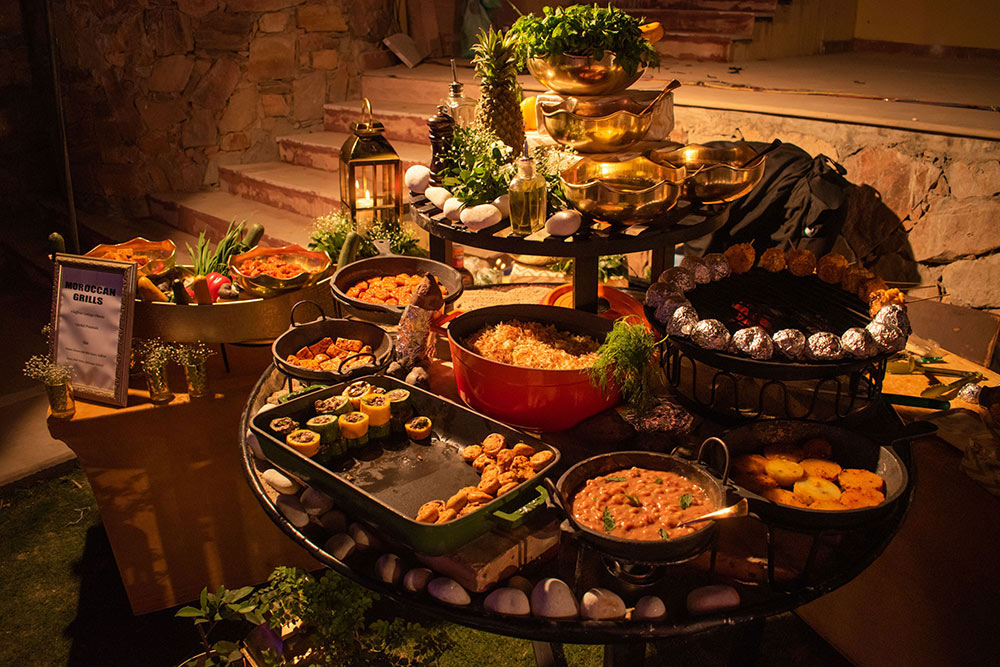
Catering is a cornerstone of hospitality, a unique fusion of artistry, precision, and service. Whether it’s an intimate gathering or an extravagant celebration, catering elevates an event by offering not just food, but a full sensory experience that lingers long after the last bite. At its core, catering is about more than simply preparing meals; it is about crafting an experience that delights the senses and complements the atmosphere of the event. From weddings and corporate galas to small private parties and public festivals, catering plays an integral role in setting the tone and ensuring a memorable occasion.
The Evolution of Catering: From Function to Finesse
Catering has come a long way from its humble beginnings. Historically, catering was a necessity for large gatherings or events, serving the practical purpose of feeding a crowd. In ancient civilizations, banquet halls were the setting for lavish feasts, and the role of the caterer was that of a provider, ensuring that guests were fed in a manner befitting the occasion. Over time, as social and cultural norms shifted, catering began to evolve into an art form—one that blends gastronomy with the nuances of hospitality, design, and presentation.
The concept of catering as we know it began to take shape in the 19th century, with the rise of large-scale social gatherings, such as balls, weddings, and public celebrations. Caterers were no longer simply concerned with quantity but with quality, presentation, and service. By the 20th century, the advent of fine dining, as well as the global spread of culinary techniques and ingredients, propelled catering into the realm of high-end artistry. Today, caterers are not just chefs but are curators of experiences—designing menus, coordinating logistics, and working closely with clients to ensure every detail aligns with the event’s theme and purpose.
The Role of a Caterer: More Than Just a Chef
At the heart of every successful catering service is the caterer themselves—skilled professionals who bring expertise in both culinary arts and event management. A caterer’s role is multifaceted, requiring a unique blend of creativity, organization, and flexibility. While their primary responsibility is to create exceptional food, caterers also take on logistical coordination, menu planning, and event design, ensuring that every aspect of the dining experience is carefully tailored to the client’s needs.
A successful caterer must understand their client’s vision, whether that means crafting a traditional menu for a wedding or designing a contemporary, themed banquet for a corporate event. This often involves selecting the right ingredients, curating a diverse menu that caters to various dietary restrictions and preferences, and presenting the food in a way that enhances the overall aesthetic of the event. The caterer’s expertise extends beyond the kitchen, as they must also be adept at working within the confines of the event venue, managing timelines, and ensuring seamless service.
Additionally, the ability to adapt to varying group sizes and settings is crucial. Caterers must be able to scale their services, from intimate dinner parties for a dozen guests to grand affairs with hundreds in attendance. They must also possess a keen eye for detail, considering everything from the arrangement of tables and seating to the choice of glassware and utensils that will complement the culinary offerings.
The Importance of Menu Planning and Customization
One of the most exciting and challenging aspects of catering is menu planning. Crafting a menu that satisfies a diverse group of guests requires an understanding of flavors, textures, presentation, and even the cultural or dietary preferences of the attendees. Catering menus are no longer one-size-fits-all; modern caterers pride themselves on their ability to customize menus to suit the theme of the event, the season, and, most importantly, the preferences of the client.
Seasonality plays an important role in menu planning. Fresh, locally sourced ingredients not only contribute to the sustainability of the event but also ensure that the food is at its peak in terms of flavor and nutritional value. This focus on seasonality often leads caterers to design menus that celebrate the best of each season, incorporating ingredients such as spring vegetables, summer fruits, autumn squashes, and winter root vegetables. For caterers who specialize in fine dining, every dish is an opportunity to showcase the creativity and skill of the chef, often transforming a simple meal into a memorable culinary experience.
Furthermore, customization is paramount in catering today. As more individuals seek specialized diets—whether due to allergies, ethical reasons, or health preferences—caterers are increasingly required to offer a range of options, from gluten-free and dairy-free to vegan, paleo, and keto-friendly dishes. A good caterer will not only accommodate these needs but will go beyond basic substitutions, offering gourmet versions of classic dishes that are equally delicious and satisfying. The rise of plant-based eating, for example, has led many caterers to create innovative plant-based menus that rival traditional meat dishes in both flavor and presentation.
Presentation: The Visual Feast
In the world of catering, food presentation is as important as taste. As guests indulge in the offerings of a catered event, their senses are not only stimulated by taste but by sight as well. The way food is presented can significantly enhance the overall experience, adding a layer of elegance, sophistication, or whimsy to the occasion. A beautifully presented plate not only showcases the chef’s skill but also demonstrates the thoughtfulness and care that went into the event’s planning.
For large events, buffet-style catering allows for the visual impact of food displays, often designed with intricate arrangements that turn food into art. For more formal settings, plated meals demand precision, with each dish carefully arranged to ensure the visual appeal matches the flavors. From garnishes to sauces, the presentation of each course is a testament to the caterer’s dedication to creating an unforgettable dining experience.
Beyond the food itself, the overall aesthetic of the event also plays a role in the success of a catered affair. Table settings, glassware, linens, and lighting all contribute to the atmosphere and should be thoughtfully coordinated with the catering theme. For example, a rustic farm-to-table event may feature wooden tables, fresh flowers, and mismatched china, while a black-tie gala might call for elegant silver cutlery and fine china with a minimalist, refined style.
The Experience of Catering: Service and Beyond
Catering is not just about the food—it’s about the entire experience. The service is equally as important as the food itself. Professional caterers understand the importance of timing, attention to detail, and seamless execution. The staff must be courteous, well-trained, and capable of handling the unique challenges of any event, ensuring that guests feel attended to while maintaining a level of grace and professionalism.
For larger events, the logistical aspect of catering can be complex. Caterers are responsible for coordinating timelines with the event organizers, ensuring that food is prepared, served, and cleared at the appropriate times. They must also ensure that the guests’ experience is consistent, from the first cocktail to the final dessert.
Catering has also evolved to include modern trends in interactive dining. Live cooking stations, where guests can watch chefs prepare food on-site, add a dynamic element to the event and give attendees a chance to engage with the culinary process. From sushi rolls made to order to flambé stations and dessert bars, these interactive elements foster a sense of excitement and anticipation that enhances the overall atmosphere.
Conclusion: Catering as a Signature Experience
In the world of catering, food is more than just sustenance; it is a conduit for creating lasting memories. Whether it’s an intimate gathering or a grand celebration, catering plays a crucial role in shaping the atmosphere of an event. The meticulous planning, the thoughtful customization, and the impeccable presentation all come together to create an experience that transcends the meal itself. As catering continues to evolve, it remains a powerful tool for bringing people together, celebrating milestones, and creating culinary moments that are truly unforgettable. The future of catering lies in its ability to adapt and innovate while staying rooted in the core values of hospitality, service, and quality—values that will continue to define it for years to come.