

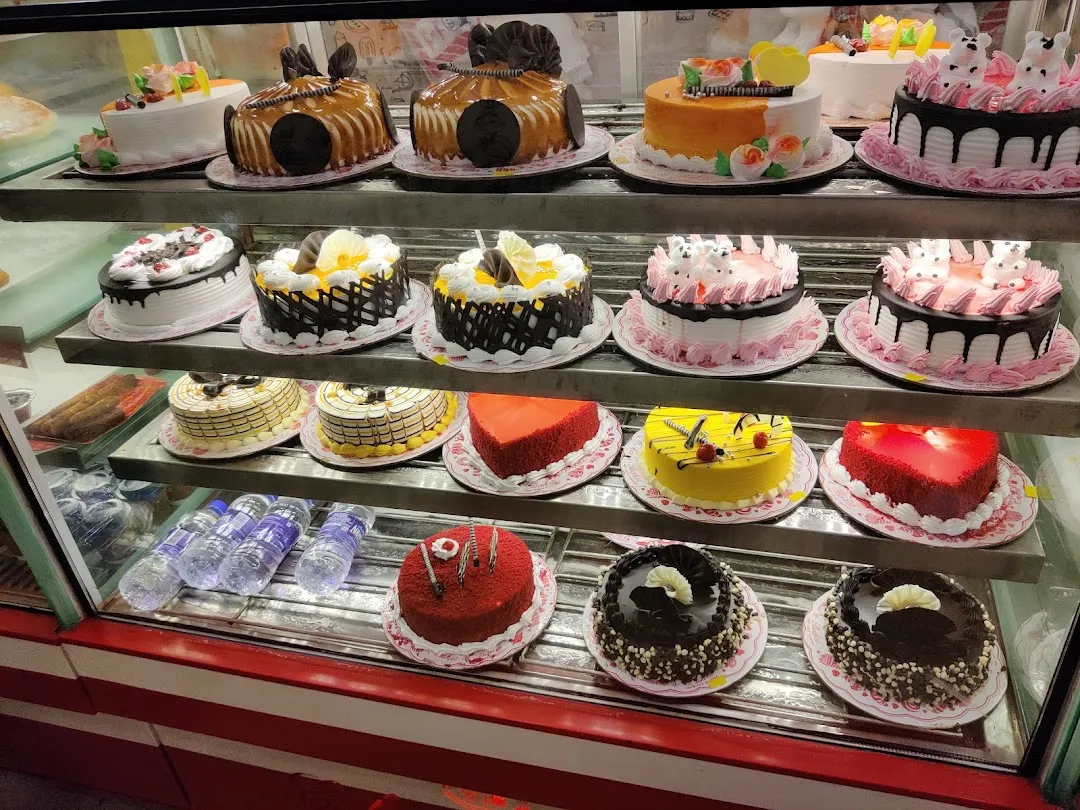
The tantalizing aroma of freshly baked bread and the sweet scent of a perfectly frosted cake are universal symbols of comfort and celebration. From humble home kitchens to luxurious patisseries, the art of baking and cake-making has evolved into a refined craft that marries culinary technique with creativity. Bakery and cake-making is not merely about preparing food; it is a delicate interplay of tradition, innovation, and passion that has the power to evoke emotions, create memories, and bring people together. This art form has spanned centuries, enduring and adapting through cultural shifts and technological advancements, always remaining a timeless and cherished part of human experience.
The Origins and Evolution of Bakery
The origins of baking date back to ancient civilizations, where the earliest forms of bread and cakes were simple, utilitarian foods, often made from grains, water, and fire. The Egyptians are credited with the discovery of leavening, which transformed flat bread into something lighter and more palatable. Over time, the art of baking evolved, with the Greeks and Romans introducing honey and spices into their recipes, elevating bread from a basic foodstuff to something much more elaborate. In medieval Europe, bakers began experimenting with more complex recipes, using butter, sugar, and fruits. By the 17th and 18th centuries, the advent of refined sugar and flour brought the modern bakery as we know it into being.
The industrial revolution ushered in a wave of technological advances, making baking more efficient and accessible. However, despite the mechanization of processes, many artisanal bakeries have preserved traditional methods, often passed down through generations. This blending of history and innovation is what makes the bakery and cake industry so diverse and dynamic today.
The Craft of Cake Making
While baking encompasses a wide range of goods—from rustic loaves to intricate pastries—the art of cake-making stands out as one of the most beloved and celebrated branches of this craft. Cakes have long been associated with important milestones in life: birthdays, weddings, holidays, and various celebrations. A well-made cake not only serves as a delectable treat but also as a centerpiece that symbolizes joy, love, and togetherness.
The process of creating a cake is a delicate balance of technique, creativity, and science. Every component, from the cake batter to the frosting, must be carefully measured and mixed to achieve the perfect texture and flavor. The choice of ingredients is paramount: quality butter, flour, eggs, and sugar form the base, while flavors like vanilla, chocolate, or fruit extracts elevate the taste experience. But it’s not just the flavor that matters—texture plays a significant role in how a cake is perceived. A perfectly baked cake should be light, fluffy, and moist, while the frosting or icing should complement, not overwhelm, the delicate crumb.
Decorating a cake is where the artistry truly comes to life. Cakes are often adorned with elaborate designs, ranging from the simple elegance of a buttercream swirl to the intricate patterns of fondant flowers or edible sugar lace. Modern cake decorators are often inspired by a wide variety of influences, including nature, art, fashion, and pop culture. The emergence of shows like “Cake Boss” and “Great British Bake Off” has contributed to a resurgence in the popularity of highly decorative, sculptural cakes, leading to a new generation of cake artists pushing the boundaries of what’s possible.
However, beneath all the embellishments, the true essence of a great cake lies in its flavor and texture. Cakes that are overly sweet or heavy may look impressive, but they can leave a less than satisfying impression. In contrast, cakes that are delicately balanced—sweet yet not cloying, moist yet light—are the ones that leave lasting memories.
The Bakery Experience: More Than Just a Storefront
A visit to a bakery is a sensory experience. The warm, golden hues of freshly baked goods displayed on shelves, the rich aroma of yeast and sugar wafting through the air, and the sight of skilled bakers working their magic behind the counter create an ambiance that is both inviting and enchanting. A bakery is not simply a place where baked goods are purchased—it is a space where memories are made.
Modern bakeries, especially artisan and boutique bakeries, have become destinations in their own right. The experience of walking into a bakery that specializes in high-quality, handcrafted cakes and pastries is akin to entering a sanctuary of indulgence. Whether it’s a French patisserie offering delicate macarons and éclairs, an Italian bakery with fresh cannoli, or a local cake shop showcasing wedding cakes and custom cupcakes, these establishments offer not just food, but an experience—a journey into the heart of craftsmanship and flavor.
The connection between the customer and the baker is an essential part of the modern bakery experience. Many bakers take pride in knowing their customers by name, crafting custom orders, and offering personalized recommendations. This relationship fosters a sense of community, where the act of buying a cake is not just about fulfilling a culinary need but also about participating in a shared cultural experience.
Trends in the Modern Bakery and Cake Industry
The bakery and cake industry, like many others, has not been immune to the influence of modern trends and consumer preferences. Health-conscious eating habits, for instance, have prompted bakers to experiment with gluten-free, dairy-free, and vegan options. While some purists may lament these shifts, the demand for these products has created a whole new world of possibilities. Gluten-free cakes, once considered dry and crumbly, are now moist, flavorful, and almost indistinguishable from their traditional counterparts.
Another trend that has become increasingly popular is the incorporation of international flavors into cakes and pastries. Exotic ingredients such as matcha, passion fruit, lavender, and salted caramel are making their way into mainstream bakery products, elevating traditional flavors to new heights. This global fusion allows bakers to experiment with unique flavor combinations and provides customers with a wider array of choices, enriching the culinary landscape.
In addition to flavor innovation, cake decoration has also embraced new techniques. Edible flowers, metallic finishes, watercolor effects, and hand-painted designs are becoming more commonplace, allowing cakes to take on the appearance of fine art. The growing influence of social media platforms, particularly Instagram, has further fueled this desire for aesthetically pleasing cakes that are as much about visual appeal as they are about taste.
The Future of Bakeries and Cake-Making
As the world continues to evolve, so too will the bakery and cake industry. Technology is already playing a significant role, with 3D printing, precision baking tools, and AI-driven recipes entering the fold. However, no matter how much technology advances, the human touch will remain an essential part of the process. The creativity, skill, and passion that bakers infuse into each product cannot be replicated by machines.
The future of bakeries lies in their ability to blend tradition with innovation, offering both nostalgic favorites and cutting-edge creations. As consumer tastes evolve, the challenge for bakeries and cake-makers will be to maintain the balance between maintaining time-honored techniques and embracing the ever-changing landscape of modern food culture.
Ultimately, bakeries and cakes are more than just food; they are symbols of joy, comfort, and celebration. Whether a simple loaf of bread or an intricately designed wedding cake, the art of baking and cake-making has the power to connect people, create lasting memories, and remind us of life’s sweetest moments.