

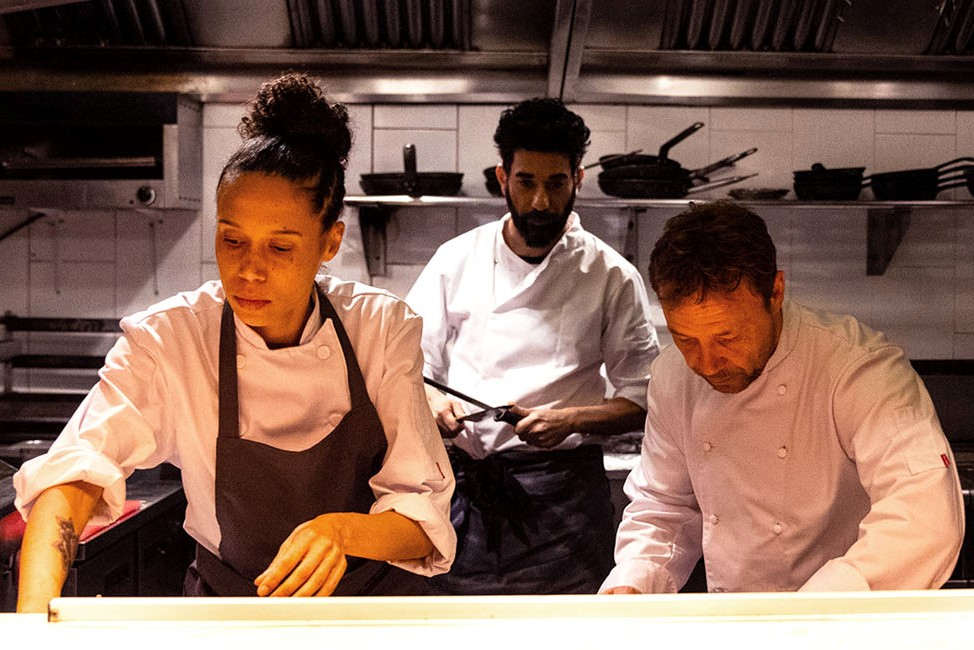
The role of a chef transcends the simple act of preparing food; it is an intricate dance between creativity, technique, and passion. The term “chef” often evokes images of high-end kitchens, immaculate plating, and gourmet delicacies, but the journey of a chef is one of continuous learning, innovation, and dedication. A chef is not just a cook, but an artist, a leader, and a scientist, all rolled into one. Their craft involves not only feeding people but creating experiences that elevate the senses, stir emotions, and create lasting memories. Whether it’s the humble neighborhood bistro or a Michelin-starred restaurant, chefs shape the culture of food and dining in ways that are far-reaching and profound.
The Evolution of the Chef: From Humble Beginnings to Global Icons
Historically, the role of a chef was far more utilitarian than it is today. In medieval Europe, the kitchen was a place where large quantities of food were prepared to feed the masses, with the head cook overseeing the operations. This early figure, more akin to a kitchen manager than an artist, was tasked with ensuring that meals were cooked efficiently and consistently. However, as the culinary arts evolved, especially during the Renaissance, the notion of food as an expression of culture, art, and personal identity began to take root.
The French Revolution in the 18th century marked a turning point for chefs. It was during this time that figures like Marie-Antoine Carême and Auguste Escoffier elevated cooking to a refined, professional practice. Carême’s elaborate haute cuisine and Escoffier’s development of the brigade de cuisine system, which organized the kitchen into specialized roles, laid the foundation for the modern culinary world. This marked the emergence of the “chef” as an individual who was not only capable of preparing food but also of shaping the direction of culinary trends.
In the 20th century, the rise of food media, with cookbooks, television shows, and later social media platforms, propelled chefs into the limelight. Names like Julia Child, Gordon Ramsay, and René Redzepi became synonymous with innovation, artistry, and influence, bringing the craft of cooking to the masses. This democratization of the culinary world transformed the perception of chefs, elevating them from humble kitchen workers to celebrated figures and even celebrities.
The Anatomy of a Chef: Skills, Traits, and Expertise
Becoming a successful chef requires a unique combination of skills, traits, and experiences. First and foremost, a chef must possess a deep knowledge of ingredients, cooking techniques, and food science. This expertise goes far beyond basic recipes; it involves understanding how flavors interact, how ingredients change when exposed to heat, and how texture plays a crucial role in the dining experience. A chef must be well-versed in everything from the simplest knife skills to the complexities of sous-vide cooking and molecular gastronomy.
Creativity is another hallmark of a great chef. In the kitchen, chefs are like composers, blending ingredients in ways that surprise and delight the palate. This creativity often extends to the presentation of dishes, where chefs think of food not only as something to taste but something to experience visually. The plating of a dish is an art form in its own right, with colors, textures, and composition playing a significant role in making the meal not just a pleasure to eat, but also a joy to behold.
However, a chef’s job is not solely about artistry. The kitchen is a highly demanding environment, requiring strong organizational skills, attention to detail, and an ability to manage multiple tasks simultaneously. A chef is often the orchestrator of a complex system, where the timing of each component of a dish must align perfectly with the others to ensure a flawless final product. This is where the chef’s leadership qualities come into play. Chefs must be able to lead a team, sometimes under high pressure, to deliver exceptional food within tight time constraints.
In addition to technical and leadership abilities, a chef must also be adaptable and resilient. Kitchens are dynamic spaces, where things rarely go according to plan. An experienced chef knows how to remain calm in the face of adversity, whether that involves managing last-minute changes in orders or dealing with unforeseen challenges, such as ingredient shortages or equipment malfunctions. Flexibility, resourcefulness, and the ability to think on one’s feet are essential qualities that set a successful chef apart from the rest.
The Chef’s Journey: Training and Mentorship
The path to becoming a chef is not a simple one, and it is rarely a solitary journey. Most chefs begin their careers with formal education, often enrolling in culinary schools that offer a comprehensive curriculum covering all aspects of the culinary arts, from basic knife skills to advanced cooking techniques and kitchen management. While formal training provides a solid foundation, the real learning begins in the kitchen itself.
Apprenticeship has long been a central part of a chef’s development. The tradition of working under the guidance of a more experienced chef, often referred to as a “mentor,” is an invaluable component of a chef’s education. In this environment, aspiring chefs are exposed to the realities of the kitchen—the hustle, the pressure, the meticulousness required for every dish. Through this hands-on training, they learn not only cooking techniques but also the art of collaboration, discipline, and resilience. Many chefs spend years working their way through the ranks, starting as line cooks or prep cooks before eventually earning the coveted title of chef.
In recent years, however, some chefs have broken away from traditional paths, creating their own culinary empires without formal schooling. The rise of self-taught chefs, some of whom have become household names, reflects a shift in the culinary world. However, even these chefs often cite mentorship and hands-on experience as the most significant contributors to their success. The lesson is clear: regardless of how a chef is trained, experience in the kitchen remains irreplaceable.
The Role of a Chef Today: Creativity, Innovation, and Sustainability
Today’s chefs are at the forefront of culinary innovation. With the advent of new technologies, modern techniques, and global ingredients, chefs are continually pushing the boundaries of what is possible in the kitchen. The rise of molecular gastronomy, which uses science to transform ingredients in innovative ways, and the use of sustainability as a guiding principle in menu development, has expanded the role of the chef far beyond traditional boundaries.
Sustainability is an increasingly important consideration for many chefs. As awareness about the environmental impact of food production grows, chefs are embracing local, seasonal ingredients, as well as reducing food waste and supporting ethical farming practices. This commitment to sustainability is not only good for the planet but also adds a layer of responsibility and authenticity to the chef’s work.
Additionally, chefs today are embracing the global influence of food. Fusion cuisine, which combines elements from various culinary traditions, is one example of how chefs are broadening their culinary horizons. Whether it’s incorporating Asian spices into European dishes or blending Latin flavors with American staples, the modern chef is unafraid to experiment with new flavors and techniques to create something entirely unique.
Conclusion: The Chef as a Cultural Icon
The chef is more than just a skilled cook or a kitchen manager; they are creators of culture, curators of experiences, and innovators of the culinary world. They have the power to shape not only the dining trends of today but also to influence the way we think about food, sustainability, and culture. As we move further into the 21st century, the role of the chef will undoubtedly continue to evolve, but one thing remains certain: the chef will always be at the heart of the culinary world, driving both its innovation and its tradition. The art of cooking, in all its forms, is an enduring expression of human creativity, and the chef is its master.