

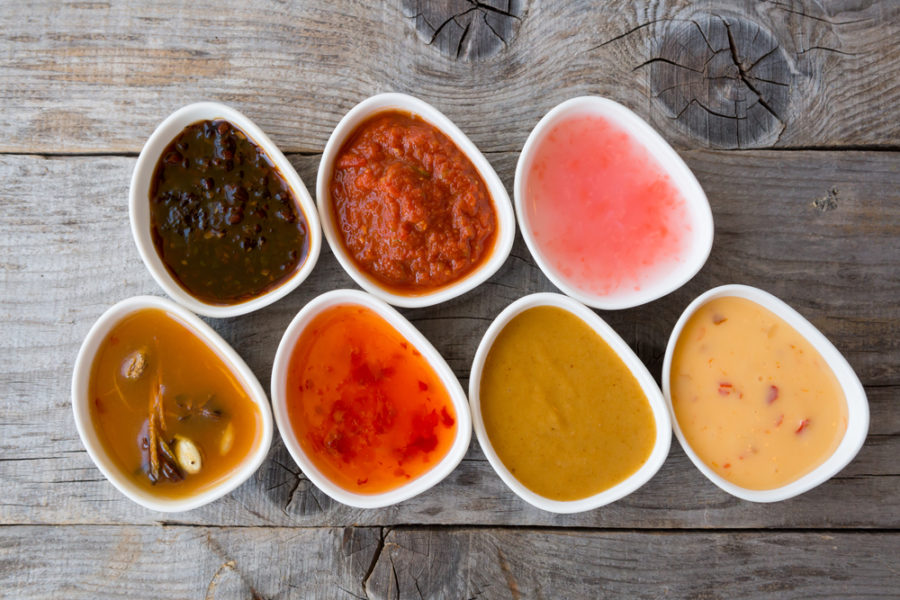
Grilled food is a big part of everyday eating in Thailand. Walk through any local market in the late afternoon and the smoky smell of pork skewers or chicken thighs over charcoal fills the air. Alongside these are small plastic bags of sauce, often homemade and packed with heat and tang. For many people, a meal isn’t complete without a bold and flavorful Thai dipping sauce to go with their grilled meats or vegetables.
These sauces aren’t complicated to make, and they don’t follow a strict recipe. A mix of lime juice, fish sauce, sugar, garlic, and chili forms the base of many versions. Some people like it spicier, others add more lime. It depends on the cook and the region. In the Northeast, for example, sauces might include roasted rice powder or tamarind for added sharpness.
Some vendors mix their sauces fresh on the spot, pounding the ingredients by hand. Others prepare them early in the day and let them sit to develop deeper flavor. Street stalls often offer a few different kinds depending on what they’re grilling. Lighter sauces tend to go with vegetables or seafood, while thicker, hotter ones are offered with pork or beef.
In home kitchens, a small bowl of dipping sauce is often served on the side. It might be adjusted throughout the meal. A squeeze of lime here, a bit more sugar there. It’s not about following a fixed process. The goal is to balance the salty, sour, sweet, and spicy notes to match the food on the table.
Vegetables straight from the grill don’t need much dressing up. A fast mix of crushed chili flakes, salt, and lime juice is a common solution. This works well with eggplant, mushrooms, or okra. Sometimes garlic or coriander root is added for more depth, but simplicity is the norm.
Some households keep a jar of sauce in the fridge, while others make it fresh every time. There’s something about the brightness of newly mixed ingredients that gives the sauce its punch. Even a basic version with three ingredients can wake up a plate of grilled meat.
For those avoiding animal products, it’s easy to make plant-based versions. Soy sauce or fermented bean pastes work well in place of fish sauce. Ground sesame or peanut can bring texture and richness. Some cooks also use mushroom extract or vegetable broth as a base to add more umami.
Different parts of Thailand put their own spin on things. In Chiang Mai, sauces might include local chili varieties and a bit of sugarcane juice. In Bangkok, bottled versions are popular, but even then, many people add fresh chili or lime before serving. In the South, sauces often lean hotter, matching the bold spices used in other dishes from the region.
At local grills, it’s not uncommon to see people mixing sauces right at their table. A spoonful of sugar, a dash of vinegar, and chopped chili in a small dish is all it takes. There’s no fuss and no need for fancy ingredients. What matters is how it tastes with what you’re eating.
The best sauces are usually the ones that come together quickly, using whatever’s nearby. That’s part of the charm. You don’t need a long list of ingredients or any formal steps. Just a small bowl, a few basic items, and a sense of what flavors you want to taste with your meal.
This everyday approach to sauce-making is part of what makes Thai grilled food so satisfying. It’s flexible, fast, and always made to suit the moment.