

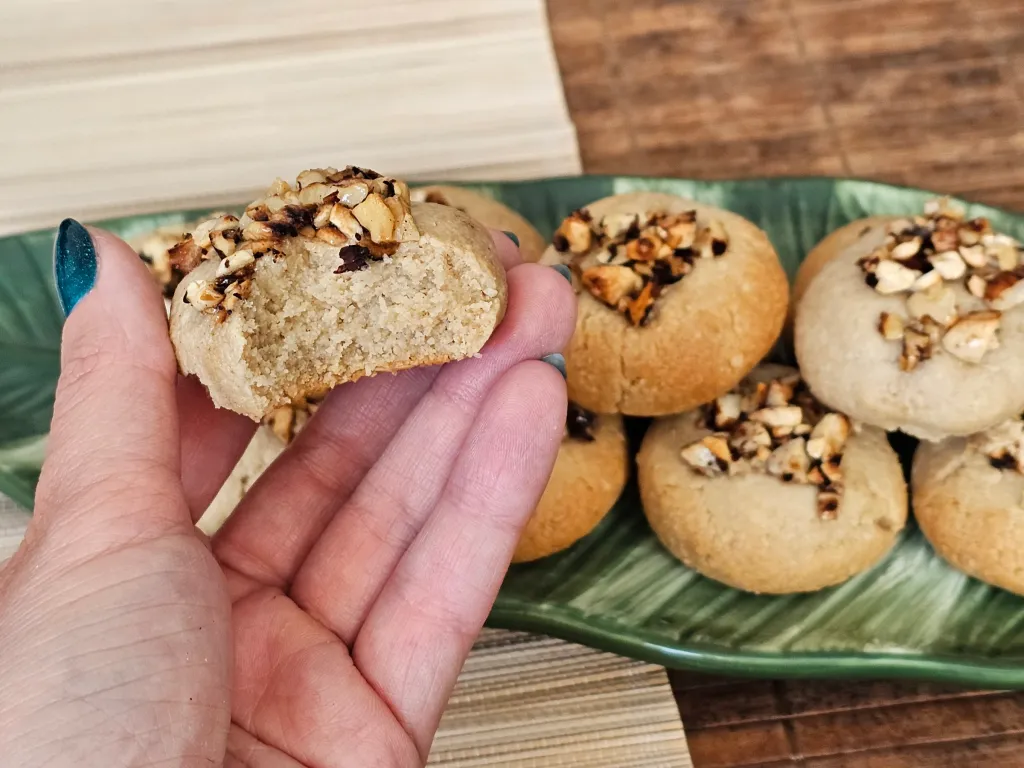
The world of plant-based baking has evolved dramatically from the dense, chalky, or overly gummy experiments of past decades. Today, vegan pastries, cakes, and artisan breads stand proudly alongside their traditional counterparts, often winning blind taste tests. The secret behind this culinary revolution does not lie in using hyper-processed chemical additives. Instead, it relies on a deeper, scientific understanding of what traditional ingredients actually do in a recipe and replacing them with smart, natural, plant-based alternatives.
In traditional baking, ingredients like chicken eggs, dairy butter, and whole milk are structural workhorses. They provide fat for tenderness, protein for structural stability, sugar for browning, and moisture for crumb cohesion. Transitioning to a vegan approach requires identifying the specific role an ingredient plays in your unique recipe and choosing a plant-based swap that mirrors those exact properties.
Whether you want to build a lighter cake crumb, a ultra-flaky pie crust, or a chewy chocolate chip cookie, mastering these essential vegan swaps will allow you to achieve professional-grade results without compromising flavor or texture.
1. Mastering the Science of Vegan Egg Replacements
Eggs are perhaps the most complex ingredient to replace in conventional baking because they perform multiple functions simultaneously. They act as leaveners, emulsifiers, binders, and moisture providers. To successfully replace an egg, you must evaluate what the egg is doing in your specific baked good.
For binding and density in items like brownies, quick breads, and thick cookies, moisture-rich plant purees and seed mixtures are highly effective.
-
Flax and Chia Seeds: Whisking one tablespoon of finely ground flaxseed meal or whole chia seeds with three tablespoons of warm water creates a gelatinous mixture known as a seed egg. The soluble fiber in these seeds forms a thick mucilage that mimics the binding capability of an egg white. This swap adds a pleasant, subtle nuttiness that pairs beautifully with whole grains, chocolate, and oats.
-
Fruit Purees: Mashed bananas, unsweetened applesauce, and pumpkin puree provide exceptional moisture and binding. The natural pectin present in apples and pumpkins helps bind the flour matrix together. When using fruit purees, reduce the overall sugar content of your recipe slightly to compensate for the natural sweetness of the fruit.
For recipes that require aeration, lightness, and structural lifting, such as sponge cakes, meringues, and delicate macarons, you must look to alternative protein structures.
-
Aquafaba: The liquid drained from a can of unsalted chickpeas is called aquafaba. This liquid contains a unique mixture of dissolved starches and proteins that behaves almost identically to egg whites. When whipped with an electric mixer, aquafaba traps air bubbles and can form stable, glossy peaks. It can be folded into cake batters for a light, airy crumb or baked into crisp vegan meringues.
-
Chemical Leavening Combo: Mixing one teaspoon of baking soda with one tablespoon of apple cider vinegar or fresh lemon juice creates an immediate chemical reaction, releasing carbon dioxide gas. This swap is ideal for fluffy cupcakes and pancakes, as the rapid gas production replaces the structural lift typically provided by eggs.
2. Achieving the Perfect Flake and Crumb with Plant-Based Fats
Dairy butter provides both flavor and crucial physical structure in baking. It contains roughly eighty percent fat, sixteen percent water, and four percent milk solids. When solid butter is cut into flour for pie crusts or biscuits, the pockets of fat melt during baking, and the trapped water turns to steam, creating distinct, flaky layers.
To replicate this physical property, look for solid, high-quality block plant-based butters. Many modern store-bought vegan butters are formulated using oil blends from coconut, olive, and avocado that closely mirror the melting point and water content of dairy butter.
-
Solid Coconut Oil: Unrefined or refined coconut oil makes an exceptional substitute for recipes requiring cold, solid fat. Virgin coconut oil will impart a mild tropical flavor, while refined coconut oil is completely neutral. To use it for flaky pie doughs, chill the coconut oil until it is solid, then cut it into the flour just as you would with dairy butter.
-
Neutral Liquid Oils: For cakes, muffins, and quick breads where butter is melted or creamed, liquid vegetable oils like canola oil, avocado oil, or sunflower oil can be utilized. Because liquid oils are one hundred percent fat, they coat the flour proteins thoroughly, inhibiting gluten development and resulting in an incredibly tender, moist crumb that stays softer for longer than butter-based cakes.
3. Upgrading Liquidity and Richness with Dairy-Free Milks
Replacing dairy milk is one of the simplest transitions in plant-based baking, but choosing the right type of plant milk can drastically alter the final texture and browning of your baked goods. Cow milk contains natural proteins and sugars that aid in the Maillard reaction, which is the chemical process responsible for giving baked goods their golden-brown color and rich aroma.
To achieve equivalent browning and richness, prioritize plant milks that boast high protein and fat content.
-
Soy Milk: Unsweetened soy milk is the absolute best all-purpose replacement for whole dairy milk. Its protein content matches cow milk almost exactly, which helps support the structure of your doughs and ensures a beautiful, deeply browned exterior crust.
-
Oat Milk: Full-fat oat milk is highly favored for its creamy texture and naturally mild, sweet flavor profile. It contains natural starches that add thickness and moisture, making it an excellent choice for custards, puddings, and enriched doughs like cinnamon rolls.
-
Coconut Milk: For recipes that require extreme richness or heavy cream, such as ganache, tarts, or fudgy fillings, canned full-fat coconut milk is the ultimate swap. The high saturated fat content mimics heavy dairy cream, setting up beautifully when chilled without leaving an overpowering coconut taste when paired with strong flavors like dark chocolate or citrus.
4. Crafting Dairy-Free Buttermilk and Sour Cream
Traditional buttermilk and sour cream introduce acidity to a batter, which softens gluten strands for a meltingly tender texture and activates alkaline leaveners like baking soda to provide a powerful rise.
Creating a highly effective vegan buttermilk at home takes less than five minutes and relies on simple kitchen chemistry.
-
Homemade Vegan Buttermilk: Add one tablespoon of an organic acid, such as fresh lemon juice or white distilled vinegar, into one cup of unsweetened soy milk. Let the mixture sit undisturbed for five minutes. The acid will immediately curdle the proteins in the soy milk, creating a thick, tangy liquid that mimics traditional buttermilk perfectly. Use this solution to create ultra-fluffy vegan pancakes, waffles, and biscuits.
-
Silken Tofu and Plant Yogurt: For recipes that demand the thick consistency of sour cream or Greek yogurt, such as coffee cakes or pound cakes, unsweetened plain plant-based yogurt works seamlessly. Alternatively, blending silken tofu until completely smooth with a splash of lemon juice creates a high-protein, zero-fat binder that locks in moisture without altering the intended flavor profile of your dessert.
Frequently Asked Questions
Can I use liquid oil as a direct one to one swap for solid butter in a pie crust recipe?
No, liquid oil cannot be used as a direct one to one substitute for solid butter in flaky pastry recipes. Flakiness relies on solid pockets of fat remaining intact within the flour dough. When the pastry enters a hot oven, these solid fat pockets melt, and their water content converts into steam, lifting the dough to create separate, distinct layers. Liquid oil coats the flour particles completely, preventing gluten formation and resulting in a short, crumbly, shortbread-like texture rather than a flaky one. For pie crusts, choose cold solid coconut oil or chilled block vegan butter instead.
Why does my vegan cake sometimes turn out too dense or gummy when using fruit purees?
Density and gumminess usually occur because fruit purees contain high amounts of moisture, natural sugars, and pectin, but lack the structural proteins found in eggs. If you replace multiple eggs with large amounts of applesauce or banana puree without adjusting the rest of the recipe, the excess moisture over-saturates the flour, inhibiting a proper rise. To fix this, ensure you use no more than one-fourth cup of fruit puree per replaced egg, and consider adding an extra half-teaspoon of baking powder to provide additional lifting power.
How do I store vegan baked goods to prevent them from drying out quickly?
Vegan baked goods, especially those made without dairy fats, can sometimes dry out faster because plant oils can evaporate or move differently within the crumb structure over time. Store your cooled plant-based treats in an airtight glass or plastic container at room temperature for up to three days. For long-term storage, freezing is highly recommended. Wrap individual slices of cake or cookies tightly in parchment paper and place them in a freezer-safe bag. Thaw them at room temperature or warm them briefly in an oven to restore their original texture.
Does aquafaba leave a noticeable chickpea or bean flavor in delicate desserts like meringues?
When aquafaba is raw, it possesses a distinct bean-like aroma. However, this smell and taste completely dissipate during the whipping and baking process. Once you add sugar, cream of tartar, and vanilla extract to the aquafaba and whip it into stiff peaks, the bean flavor becomes entirely imperceptible. The final baked meringue cookies or macaron shells taste cleanly of sugar and vanilla, with no trace of savory bean notes.
What is the purpose of adding cream of tartar to aquafaba when making vegan whipped toppings?
Cream of tartar is a powdered acid that acts as a stabilizer for the proteins and starches in aquafaba. Aquafaba lacks the exact protein density of animal egg whites, meaning the whipped air bubbles can collapse more easily over time. Adding a small pinch of cream of tartar alters the pH of the liquid, tightening the protein bonds and allowing the mixture to hold its volume, create stiffer peaks, and resist deflating when folded into batters or baked.
Can granulated white sugar always be considered automatically vegan in standard baking?
In the United States, some commercial granulated white sugars are processed using bone char to achieve a stark white color. While the final sugar contains no animal tracking material, it is not considered vegan by strict standards. To ensure your baked goods are entirely plant-based, look for sugars explicitly labeled as organic, unrefined, or certified vegan. Organic cane sugar is not processed using bone char and is completely safe for vegan baking.